Did you know that over 60% of people report feeling anxious about their outfit when a party invitation arrives? The main culprit is often the simple phrase “dress code.”
It’s a common scene. You get a beautiful invite for a special evening. You see the words “cocktail” or “formal” and suddenly, your closet feels empty. Is your favorite little black dress too casual? Is a full-length gown too much?
This friendly guide is here to end that confusion. Both cocktail attire and formal attire are stars in a modern wardrobe. They just play different roles. One is for fun, festive evenings that start after dark. The other is for the most elegant and prestigious occasions.
While styles have evolved, the core distinction remains vital. Knowing it helps you feel confident and shows respect for your host. We’ll walk you through the specific styles, when to wear them, and how to build a versatile collection.
Mastering this doesn’t have to be complicated. Let’s break it down together.
Key Takeaways
- Cocktail attire is perfect for evening events that are stylish and fun but not the most formal.
- Formal attire is required for the most sophisticated occasions, like galas or weddings.
- The key difference is the level of sophistication and the specific rules for each style.
- Knowing what to wear ensures you feel comfortable and appropriate at any event.
- Modern fashion allows for personal expression within these traditional guidelines.
- Your outfit helps set the tone and shows you understand the nature of the gathering.
- Building a few key pieces can cover you for a wide variety of social events.
Understanding Cocktail Attire
Imagine stepping into a room where everyone looks polished and ready to celebrate. That’s the magic of cocktail attire. It finds the perfect sweet spot between casual and formal dressing.
You show respect for the occasion while letting your personality shine. This style is elegant enough for special events but keeps a fun, festive spirit.
Definition and Key Characteristics
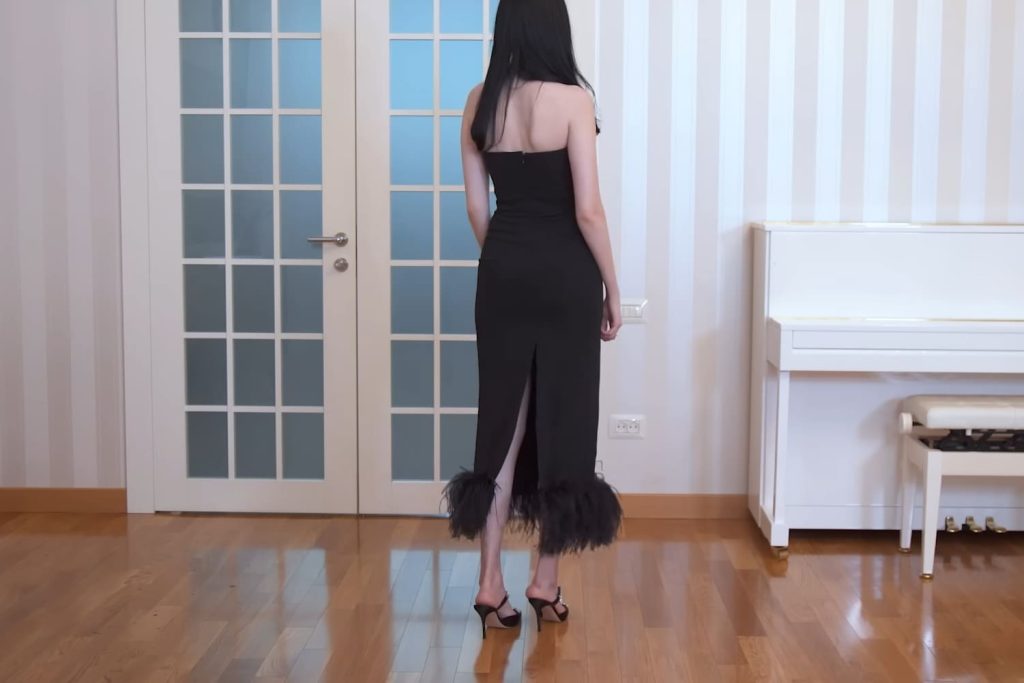
The classic look features a dress that hits just above or below the knee. It leans toward richer fabrics like satin, velvet, or lace.
Bold colors, a bit of sparkle, and sleek silhouettes are hallmarks. Complete your outfit with heels, a small clutch, and standout jewelry.
Ideal Occasions and Settings
This attire is perfect for evening gatherings starting after 4 p.m. Think upscale dinner parties, fancy date nights, or holiday celebrations.
It’s also a top choice for evening wedding receptions and engagement events. The vibe is lively, encouraging socializing and dancing.
You have freedom to experiment while looking polished. It creates a unified yet diverse look among guests.
Defining Formal Dress: Elegance and Sophistication
When an invitation calls for formal dress, it signals an occasion of exceptional significance. This dress code represents the highest standard of social elegance. It demands a level of sophistication that honors the event’s importance.
Your appearance plays a crucial role in these settings. Wearing polished and refined attire shows respect for tradition and the other guests.
Essential Elements of Formal Attire
For women, the classic choice is a floor-length gown. These evening gowns are crafted from luxurious, heavyweight fabrics like silk or satin. Every detail, from the hem to the neckline, should be impeccably tailored.
The style has historical roots in Victorian and Regency England. Modern variations include “white tie” and “black tie” events. White tie is the most formal, requiring full-length gowns. Black tie is slightly less formal but still demands elegant evening wear.
The sophistication comes from perfect fit and presentation. Garments must be neatly pressed with no wrinkles. This attention to polish creates a collective atmosphere of refinement.
Even within these rules, personal expression is possible. Fabric choices, silhouettes, and subtle details allow your individuality to shine.
Comparing Style and Fit for Both Dress Codes
Choosing between a knee-length dress and a floor-length gown is more than just a matter of inches. The style and fit of your outfit are the defining elements that signal the event’s tone.
They guide your comfort and your confidence. Understanding these details helps you select the perfect attire every time.
Silhouettes, Fabrics, and Tailoring
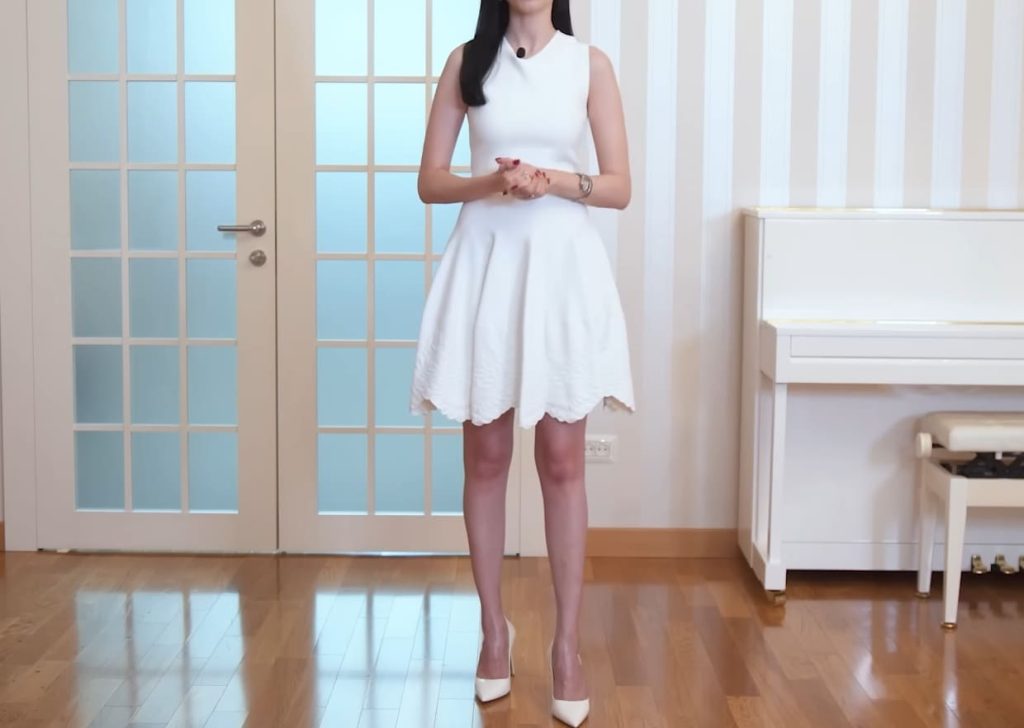
Cocktail attire celebrates movement and fun. Silhouettes are often knee-length or midi, with popular shapes like fit-and-flare or sheath.
These looks allow for dancing and socializing. Fabrics tend to be lighter, such as lace or chiffon, often with sparkle or bold colors.
In contrast, a formal dress commands a different presence. Floor-length gowns in column or ball gown shapes create a statuesque effect.
They use heavier, luxurious materials like silk or satin. These fabrics drape beautifully and feel substantial.
The importance of perfect tailoring cannot be overstated. A simple garment that fits you impeccably will always outshine a fancy one that doesn’t.
Whether it’s a sleek cocktail number or an elegant gown, professional alterations are a wise investment. They ensure the garment moves with your body.
Construction details also differ. Cocktail pieces often feature modern design elements.
Formal gowns may showcase traditional techniques like boning and hand-finished seams. Both approaches aim for a polished final look.
Your personal expression shines within these guidelines. Playful details work for festive evenings, while timeless elegance suits the most prestigious nights.
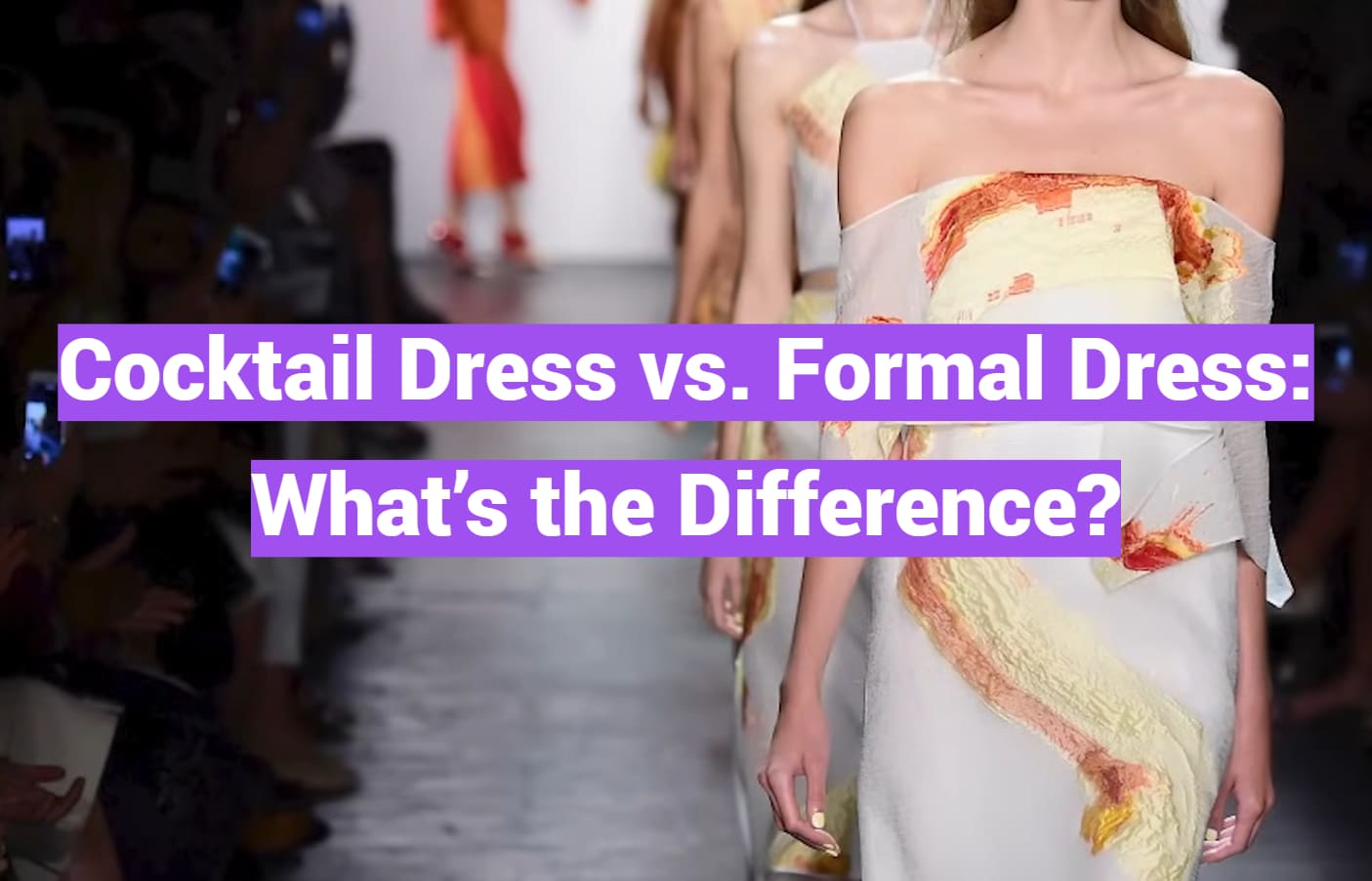
Cocktail Dress vs. Formal Dress: What’s the Difference?
Your confidence at any social gathering starts with recognizing the distinct vibe each dress code creates.
The key difference lies in intent and finish. One attire is festive and glamorous, ready for a party. The other is elegant and refined, suited for grand evenings.
It helps to see where semi-formal fits. This cocktail semi-formal style is a bit more restrained. It serves as a less formal option than a full cocktail dress code.
| Feature | Cocktail Attire | Semi-Formal Attire | Formal Attire |
|---|---|---|---|
| Style Tone | Playful, party-ready | Refined, slightly reserved | Elegant, sophisticated |
| Typical Occasions | Evening parties, receptions | Daytime weddings, work events | Galas, black-tie weddings |
| Dress Length | Above knee to midi | Knee-length to midi | Floor-length gown |
| Fabrics & Details | Luxe satin, lace, sparkle | Matte crepe, subtle prints | Heavy silk, satin, minimal ornament |
| Colors | Bold jewel tones, metallics | Neutral, pastel, muted tones | Classic black, navy, deep hues |
| Accessories | Statement earrings, stilettos | Understated jewelry, block heels | Refined clutch, classic pumps |
Understanding these codes helps you avoid fashion mistakes. You show respect for the host by matching your attire to the event’s vision.
Your choice signals you understand the occasion’s tone perfectly.
Event-Specific Guidelines
Every event on your calendar carries its own unspoken rules about what to wear. Clear guidelines help you pick the perfect attire and feel assured.
You can match your outfit to the host’s vision for any gathering.
Weddings, Galas, and Evening Parties
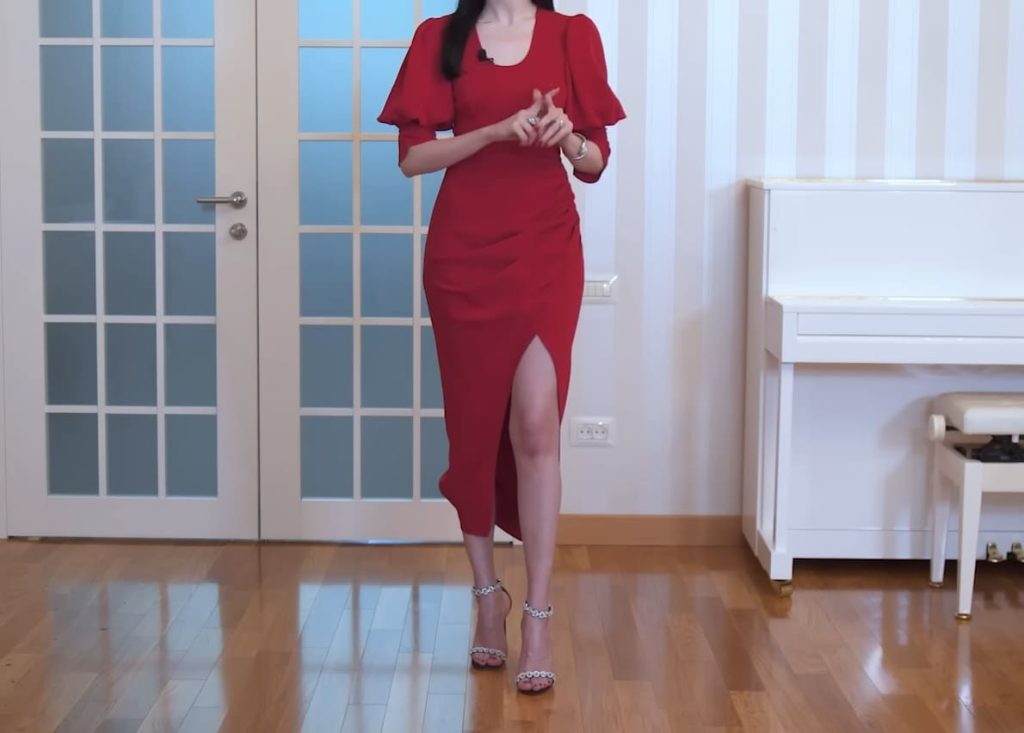
For a wedding, the time and invitation wording are your best clues. An evening reception often welcomes festive cocktail style.
A formal wedding or black-tie ceremony requires an elegant gown. Grand events like charity galas or opera nights also call for this sophisticated look.
Holiday parties and birthday dinners are ideal for playful, knee-length dresses. These occasions celebrate with a fun spirit.
Corporate Events and Social Functions
Professional settings have distinct expectations. A formal business conference demands a suit and polished separates.
A company holiday party might allow for more glamorous cocktail outfits. For social events like engagement parties, consider the venue and time.
A helpful tip is the “4 p.m. rule.” Events starting earlier often suit semi-formal attire. Evenings after four o’clock welcome more festive choices.
If the dress codes are unclear, look at the location. A ballroom suggests more formality than a casual restaurant.
When in doubt, it’s better to be slightly overdressed. This shows respect for your hosts and the occasion.
The Impact of Fabrics, Colors, and Accessories
Fabric weight, color palette, and accessory choice are the silent language of social dressing. They instantly signal your understanding of the occasion’s tone.
For festive gatherings, lighter fabrics like satin or lace create a party-ready feel. They allow movement and sparkle. Elegant events demand heavier, luxurious materials. Think substantial silks or taffeta that drape with solemn grace.
Color plays a defining role too. Bold jewel tones and metallics energize a festive style. For a more sophisticated look, classic deep hues convey timeless refinement.
Your accessories complete the message. Playful events welcome statement earrings and eye-catching clutches. For a formal dress code, choose refined, understated pieces. Beautiful jewelry should complement, not compete, especially at weddings.
Consider practical fabrics for comfort. Some materials adapt well to different seasons. The right combination of these elements ensures your dress feels perfectly suited to the moment.
Styling Tips for a Polished Look
Accessories and footwear are not afterthoughts. They are essential components of your overall presentation. The right choices transform a nice outfit into a memorable, complete look.
Thoughtful styling shows you understand the event’s tone. It also ensures you feel confident and comfortable all night.
Choosing the Right Accessories and Shoes
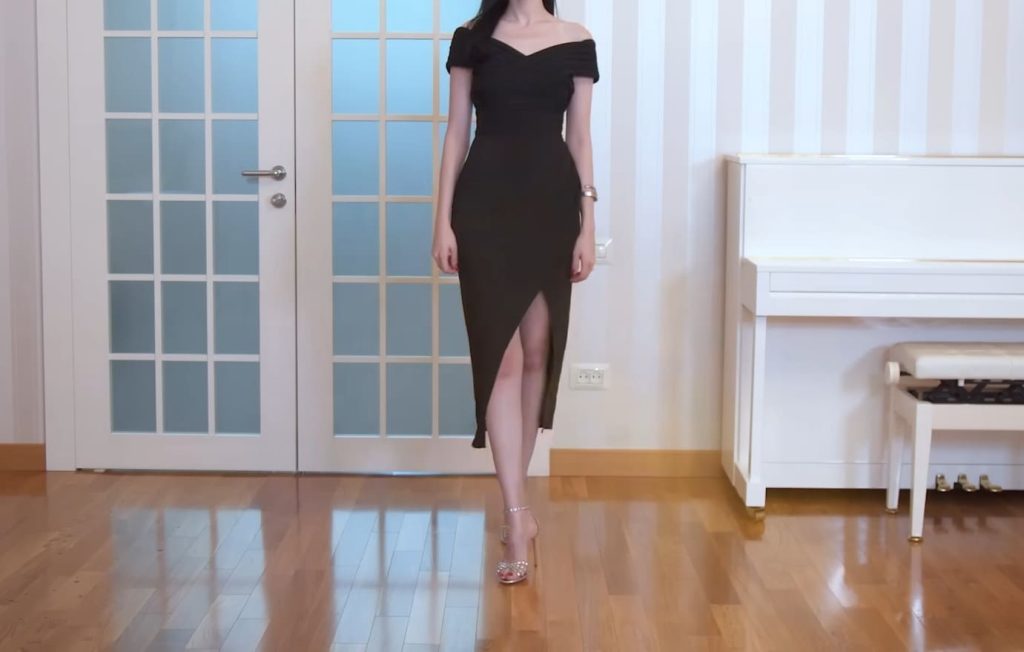
Your shoes set the foundation. For festive gatherings, consider statement heels or embellished flats. These add personality and glamour.
For the most elegant attire, classic pumps or sophisticated courts are perfect. Neutral colors, especially black, offer timeless versatility.
When selecting accessories, let the dress code guide you. Playful events welcome bold jewelry and eye-catching clutches.
Sophisticated occasions demand more restraint. Choose subtle, elegant pieces that complement your gown without competing.
Always prioritize a perfect fit. A simple outfit that fits well outshines a fancy one that doesn’t. Consider the venue and event length for practical comfort.
| Feature | Cocktail Attire | Formal Attire |
|---|---|---|
| Shoe Style | Statement heels, dressy flats | Classic pumps, court shoes |
| Key Accessories | Bold clutch, standout earrings | Refined clutch, delicate necklace |
| Jewelry Approach | Sparkly and personality-driven | Understated and elegant |
| Overall Vibe | Playful and trendy | Timeless and cohesive |
Balance is crucial. Ensure your accessories create visual harmony with your attire. Check that clothes are pressed and shoes are polished.
These finishing touches guarantee you will wear your style with confidence.
How to Transition Your Wardrobe from Cocktail to Formal
Smart planning for your social calendar starts with knowing when to rent versus buy. For occasional cocktail events, renting a stylish outfit is cost-effective. You avoid maintenance costs and keep up with trends.
If you attend many elegant parties, investing in key pieces is wise. A classic black cocktail dress and a neutral formal dress create a versatile foundation. Clever accessory changes can adjust the formality of any look.
Your lifestyle should guide these choices. Assess how often you need festive or sophisticated attire. This prevents closet clutter from unused garments.
Focus on versatile separates and a curated accessory collection. A well-chosen midi dress can work for multiple dress codes. Simply change your jewelry and shoes to match the occasion’s tone.
| Consideration | Renting Attire | Buying Attire |
|---|---|---|
| Cost Efficiency | Lower per event | Higher upfront investment |
| Maintenance | No cleaning or storage worries | You handle all care and upkeep |
| Trend Adaptation | Access to current styles | Risk of owning outdated looks |
| Versatility | Limited to the rental period | Own and style repeatedly for years |
Building a flexible wardrobe requires strategic choices. Prioritize quality basics and statement accessories. This approach ensures you’re prepared for any invitation with confidence.
Navigating Dress Codes Based on Time and Setting
Have you ever wondered why some parties feel more glamorous after sunset? The answer lies in traditional social timing. Your invitation’s start time is a powerful clue for choosing the right dress code.
The classic “4 p.m. rule” is a trusted guide. Gatherings before four o’clock typically lean semi-formal. Events starting after this hour welcome more festive attire.
Daytime Versus Evening Events
Daylight celebrations call for a more restrained approach. Lighter colors and modest silhouettes feel appropriate for garden ceremonies or brunch receptions. Fabrics are often breezier and prints can be playful.
When the sun goes down, expectations shift. Nighttime naturally elevates the formality. Richer jewel tones, luxurious silks, and dramatic styling become not just acceptable, but expected.
Always consider the venue and season. A beachside evening event suggests a different attire than a hotel ballroom. Summer soirees might allow lighter fabrics, while winter galas demand substantial materials.
| Feature | Daytime Event | Evening Event |
|---|---|---|
| Start Time | Before 4 p.m. | After 4 p.m. |
| Attire Level | Semi-formal | Cocktail to formal dress |
| Color Tones | Pastels, Neutrals | Jewel Tones, Metallics |
| Fabric Feel | Lightweight (linen, chiffon) | Luxurious (satin, velvet) |
| Example Settings | Garden wedding, brunch | Dinner parties, galas |
The best decisions come from looking at the whole picture. Combine time, setting, and the host’s vision. When you wear cocktail-style outfits for the right occasion, you show respect and feel perfectly in tune.
Conclusion
Mastering social dress codes transforms invitation anxiety into outfit confidence. This guide has clarified the key distinctions between cocktail attire and formal attire. You can now make informed choices for any occasion.
These codes serve a purpose. They create visual harmony and show respect for the host. View them as helpful frameworks, not restrictive rules. Your personal style can shine within these parameters.
The ultimate goal is to feel authentic and poised. Whether an event calls for celebration or sophistication, you are prepared. Step into your next gathering wearing an outfit that aligns perfectly with its energy. You now have the knowledge to wear confidence with every look.